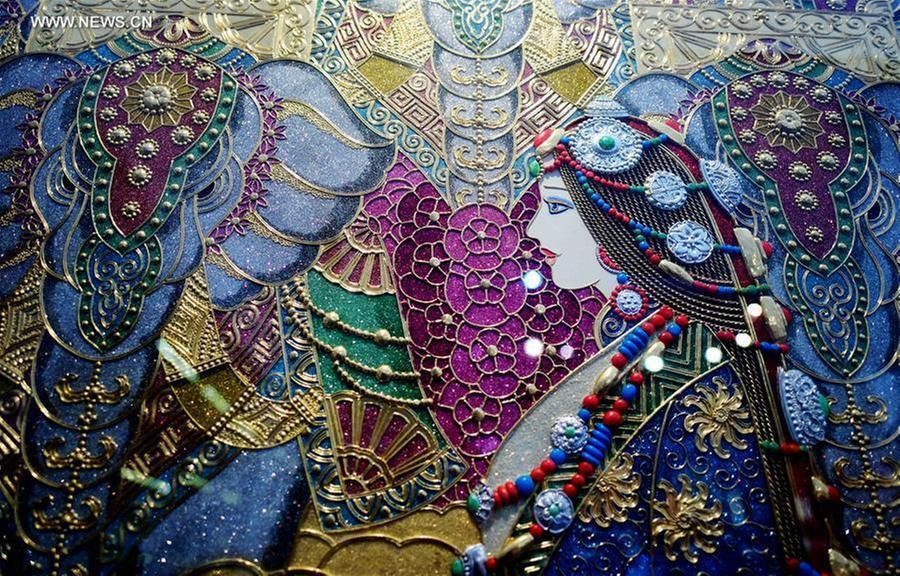
China's National Intangible Cultural Heritage
Introduction
China's National Intangible Cultural Heritage represents a rich tapestry of traditions, practices, and craftsmanship that have been preserved and passed down through generations. These cultural elements embody the essence of Chinese civilization, reflecting its history, values, and artistic achievements. From traditional music and dance to unique crafts and rituals, these heritage items are a testament to China's diverse and vibrant cultural legacy. Recognized and protected at the national level, these intangible cultural treasures continue to play a vital role in fostering cultural identity and pride.
Definition and Scope
Intangible cultural heritage refers to practices, representations, expressions, knowledge, and skills that communities, groups, and individuals recognize as part of their cultural heritage. In China, this encompasses a wide range of elements, including oral traditions, performing arts, social practices, rituals, festivals, knowledge systems, and traditional craftsmanship. These cultural expressions are not static; they evolve over time, adapting to changing social and environmental contexts while maintaining their core essence.
The scope of China's National Intangible Cultural Heritage extends across the country's vast geographical and ethnic diversity. It includes the traditions of China's 56 ethnic groups. By safeguarding these cultural elements, China aims to ensure their transmission to future generations while promoting cultural diversity and mutual respect.
Historical Background
The concept of intangible cultural heritage gained prominence globally with UNESCO's adoption of the Convention for the Safeguarding of the Intangible Cultural Heritage in 2003. China ratified this convention in 2004, marking a significant step in its efforts to protect and promote its cultural heritage. In 2006, China published its first list of National Intangible Cultural Heritage, identifying 518 items that required urgent preservation. Since then, additional lists have been released, expanding the scope of protected items.
The historical roots of many intangible cultural heritage items in China date back thousands of years. For instance, the art of kite-making, which originated over 2,000 years ago, and traditional Tibetan medicine, with a history of 2,300 years, highlight the enduring significance of these cultural practices. Over time, these traditions have been enriched by interactions with other cultures, reflecting China's role as a crossroads of civilizations.
Classification of Intangible Cultural Heritage
Traditional Oral Expressions
Traditional oral expressions include myths, legends, folktales, and epic poetry that have been passed down through generations. These narratives often serve as repositories of cultural knowledge, moral values, and historical memory. For example, the pipa songs of the Dong people encapsulate their ethnic history, myths, and social norms. Similarly, the ancient jaw harp music of the Yi people in Butuo County is a living fossil of their cultural heritage.
Performing Arts
Performing arts encompass traditional music, dance, theater, and other forms of artistic expression. Examples include Peking Opera, known for its elaborate costumes and stylized performances, and Sichuan Opera's "face-changing" technique, which mesmerizes audiences with its rapid mask transitions. Other notable performing arts include the Nuo Dance, a ritualistic folk dance, and the Drunken Dragon Dance, performed during the Drunken Dragon Festival in Macao.
Social Practices, Rituals, and Festivals
Social practices and festivals are integral to community life, reflecting shared beliefs and values. The Dragon Boat Festival, celebrated with dragon boat races and the preparation of zongzi (sticky rice dumplings), is a prominent example. Other festivals, such as the Chagan Lake Winter Fishing Festival and the Chongyang Festival, highlight the deep connection between cultural practices and natural cycles.
Knowledge and Practices Concerning Nature and the Universe
This category includes traditional ecological knowledge, medicinal practices, and cosmological beliefs. Traditional Chinese medicine (TCM), Tibetan medicine, and the crafting of Yuping bamboo flutes are examples of how communities have harmonized their knowledge with the natural world. These practices often embody a holistic understanding of health, environment, and spirituality.
Traditional Craftsmanship
Traditional craftsmanship represents the pinnacle of human creativity and skill. Examples include the intricate embroidery of the Yi people, the lacquer thread sculpture of Fujian, and the kite-making techniques of Weifang, Nantong, and Lhasa. These crafts not only serve functional purposes but also carry deep cultural and symbolic meanings.
Preservation and Promotion Efforts
Legal Framework
China has established a robust legal framework to protect its intangible cultural heritage. The Law of the People's Republic of China on Intangible Cultural Heritage, enacted in 2011, provides guidelines for the identification, preservation, and promotion of cultural heritage. It emphasizes the importance of community involvement and the integration of heritage protection into broader cultural and economic development plans.
Governmental Initiatives
The Chinese government has launched numerous initiatives to safeguard intangible cultural heritage. These include the establishment of eco-cultural protection zones, financial support for heritage inheritors, and the documentation of endangered practices. For example, the compilation of Tibetan medical texts and the revitalization of traditional opera forms like Yangzhou Opera demonstrate the government's commitment to preserving cultural diversity.
Community Participation
Communities play a central role in the preservation of intangible cultural heritage. Local artisans, performers, and cultural practitioners are often the primary custodians of these traditions. Efforts to engage younger generations, such as school programs and apprenticeship opportunities, ensure the continuity of these practices. For instance, the Yuping Secondary Vocational School offers specialized courses in bamboo flute culture, while Maliu Township Central Elementary School teaches embroidery techniques.
International Collaboration
China actively collaborates with international organizations and other countries to promote its intangible cultural heritage. Events like the Sino-Israeli cultural exchange and the Wing Chun master class in the Netherlands highlight the global appeal of Chinese cultural traditions. Additionally, China's participation in UNESCO's Intangible Cultural Heritage List underscores its commitment to cultural diplomacy.
Representative Examples
Traditional Chinese Medicine
Traditional Chinese Medicine (TCM) is a holistic medical system that integrates herbal remedies, acupuncture, and dietary therapy. Recognized as a national intangible cultural heritage, TCM reflects China's ancient understanding of health and wellness.
Peking Opera
Peking Opera is a quintessential Chinese art form that combines singing, acting, and acrobatics. Its elaborate costumes and symbolic gestures make it a unique cultural treasure.
Chinese Calligraphy
Chinese calligraphy, an art form that emphasizes the beauty of written characters, has been practiced for centuries. It embodies the philosophical and aesthetic principles of Chinese culture.
Dragon Boat Festival
The Dragon Boat Festival, celebrated with dragon boat races and the preparation of zongzi, is a vibrant expression of community spirit and cultural identity.
Challenges and Future Directions
Despite significant efforts, the preservation of intangible cultural heritage faces challenges such as urbanization, globalization, and the declining interest of younger generations. Addressing these issues requires innovative approaches, such as integrating heritage into modern design and leveraging digital platforms for promotion. Strengthening community involvement and fostering international cooperation will also be crucial in ensuring the sustainability of these cultural treasures.








